

Community & Connection:
Serious illness, complex care, grief, future planning and caregiving can feel incredibly isolating. Sometimes the hardest part is knowing where to start, who to ask, or what support already exists.
The Caring Conversations Project is not here to replace clinical care, crisis support, counselling, legal advice or local health services.
Instead, this page creates a trusted space for families to discover what support is available in New Zealand. Access useful tools and resources and feel connected rather than isolated while navigating care.
Please contact your GP, healthcare team, local hospice or emergency services if you need urgent or personalised medical advice.
National Resources:

Provides holistic wraparound care for people with life-limiting illness and their whānau, and links to hospices around Aotearoa.

Skylight is a New Zealand charity that supports children, young people, and whānau through tough times by providing counselling, resources, and programmes.
Information for every step of your caring journey.
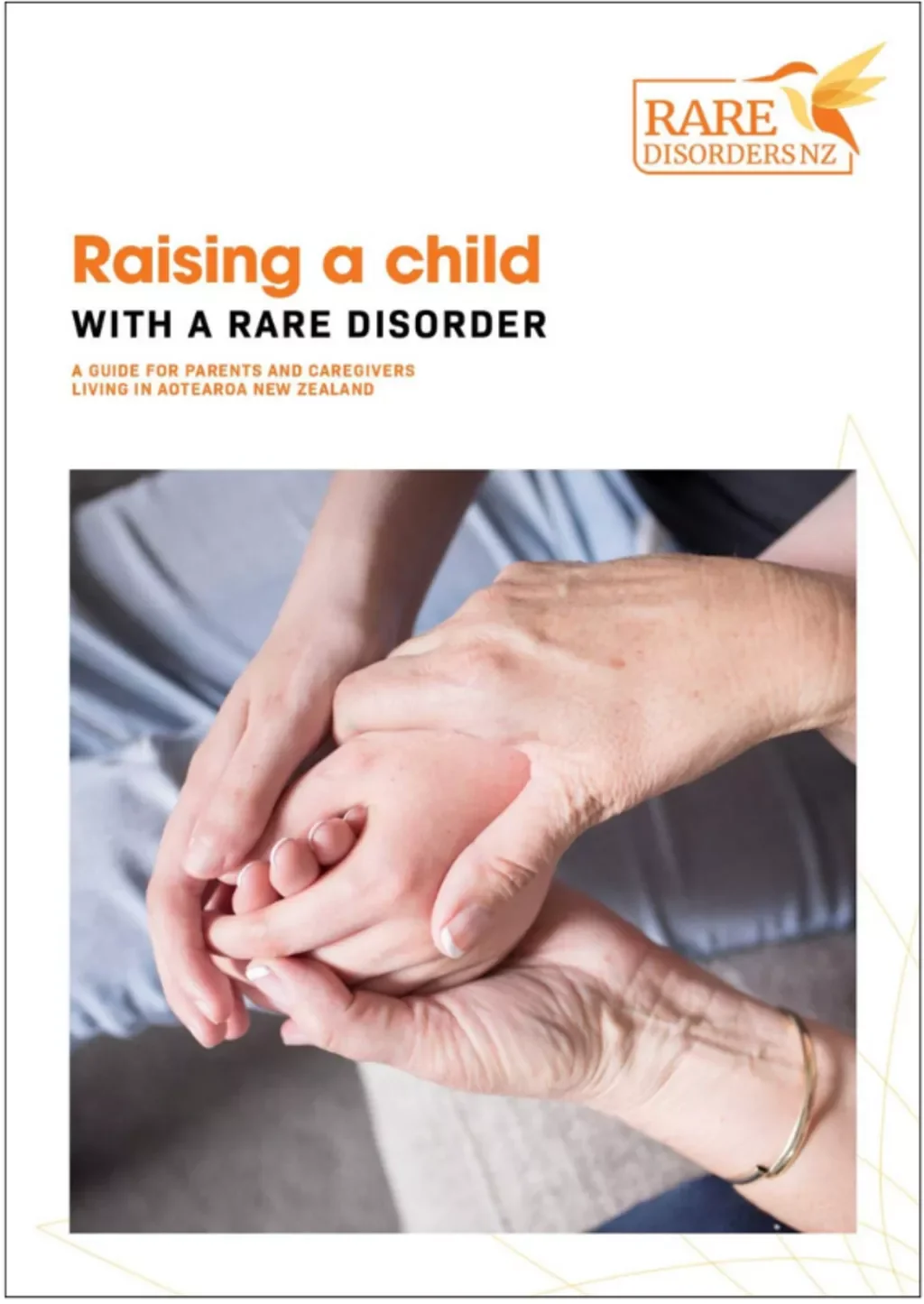
This booklet has been created by Rare Disorders New Zealand to help parents and caregivers navigate the path in caring for a child with a rare disorder in New Zealand.
Advance care planning is a process of thinking and talking about your values and goals and what your preferences are for your current and future health care.
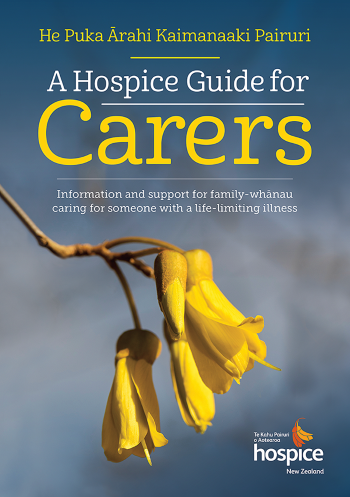
A free downloadable resource to provide a clearer picture of the situation and to answer some of the questions or issues that might come up as part of this journey.
Aotearoa's dementia charity. Free support, education, and advocacy for New Zealanders affected by dementia.

A free, independent NZ resource created to support people in navigating death, dying, grief and end-of-life planning.
We talk to people about solving problems with their health or disability care. Our team help people work out what they need to do to get the care they are seeking.
Advocating for access to world class and world leading health, disability, education and other services for the 300,000 New Zealanders living with a rare disorder.