

Children & Their Families:
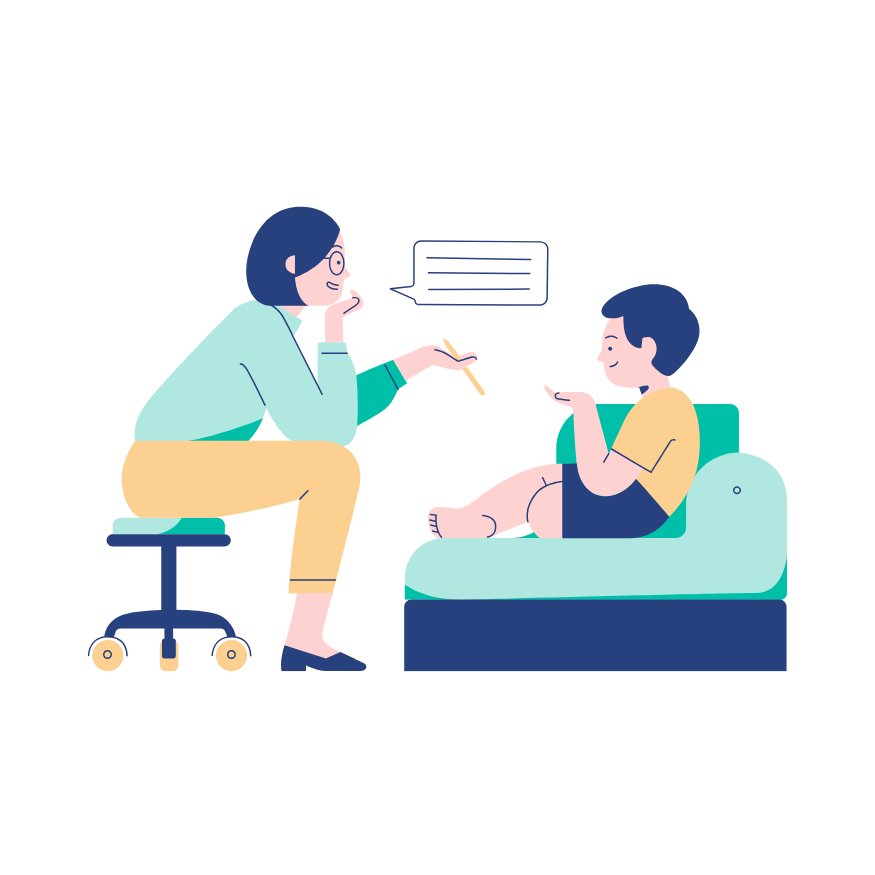

Support for children, young people and families navigating serious illness, complex care or change.
Supporting the whole family:
A diagnosis of a complex or serious condition or illness in a child or young person can affect every part of family life.
Alongside appointments, treatment and practical care, families may also be carrying uncertainty, changing routines, worries about siblings, work and finances, and the emotional weight of trying to support everyone at once.
The Caring Conversations Project is shaped in part by experience working as a Clinical Nurse Specialist in Paediatric Palliative Care, supporting children, young people and their families through serious illness and complex care. That role provided valuable insight into the pressures families can face, the importance of clear and compassionate communication, and the need to keep the family firmly at the centre of care alongside the needs of the child.
This remains an area the Project is especially passionate about, with resources continuing to develop for children, young people, parents, siblings and families navigating complex or serious illness.
What is paediatric palliative care?

Paediatric palliative care is an added layer of support for children and young people living with serious, complex or life-limiting conditions, and for their families.
It is not only for the final stage of life, and it does not mean treatment is stopping. Palliative care can be introduced much earlier, sometimes from diagnosis, and continue alongside treatments aimed at managing or improving the child’s condition.
The focus is on helping the child or young person live as well as possible, while also supporting the people caring for them. This may include managing symptoms, helping families understand what is happening, supporting difficult decisions, planning ahead, coordinating care, supporting siblings, and making sure the things that matter to the child and family remain part of the conversation.

When might it be introduced?
Palliative care may be introduced when a child or young person has a condition that is serious, life-limiting, unpredictable or likely to involve ongoing complex care.
It may also become helpful when symptoms are difficult to manage, hospital visits are becoming more frequent, care is becoming more complicated, there is uncertainty about what may happen next, or the family would benefit from additional support with communication, planning or decision-making.
For some families, palliative care becomes involved early and remains in the background for a long time. For others, it may become more important during periods of change. The level of support can change as the needs of the child and family change.
Importantly, families do not need to wait until things are at crisis point before palliative support is considered. Earlier involvement can create more time for questions, planning, support and shared understanding.

Shaped with families:
As this part of the Project grows, we want families with lived experience of caring for a child or young person with a complex or serious condition to help shape what comes next.
Your insight can help us understand what information is genuinely useful, where support may be lacking, what feels overwhelming, and what would make resources easier to use in real life. We would love to involve families in reviewing ideas and developing resources so they remain practical, relevant and grounded in what families actually need.
Family stories and reflections can also help others feel less alone, learn from shared experiences and find language for their own questions and concerns. With clear consent and careful consideration of privacy, these experiences may be shared through the Caring Conversations newsletter, website or social media, or used to inform case studies, professional education and practical resources.

The aim is to help other families feel more supported, while also helping health professionals better understand what matters to families, what support is most useful, and how stronger collaboration can contribute to family-centred care.
If you would be interested in sharing your experience, reviewing resources or being involved in future development, visit the Project Hub to find out how to take part.
Support and information:
Explore trusted information, practical guidance and services that can support carers and families.
External resources:
Links to external websites are provided for information and convenience. The Caring Conversations Project is not affiliated with or responsible for the content, services or availability of these external sites. Please refer to the original provider for the most current information.
Rare Disorders New Zealand
Rare Disorders New Zealand provides information, practical guidance and connection for people and families living with rare conditions. Their resources can help families navigate diagnosis, understand available support, connect with relevant organisations and feel less isolated when managing complex or unfamiliar health needs.

KidsHealth – Palliative Care for Children
KidsHealth offers clear, family-friendly information about paediatric palliative care, when it may be introduced, and the support available for children and families as needs change over time. It also explains who may be involved in care and where families can look for further support across New Zealand.
Caring Conversations Project resources:
Coming soon: We’re developing a Health Passport for children and young people with complex or serious conditions, alongside exploring other practical resources around communication, care coordination, family wellbeing and navigating healthcare.
Join the mailing list for our quarterly newsletter or follow along on social media to hear about new resources, updates and useful information as they’re released.